
Melanated Armor
As the night begins to quiet down, I sit with myself, not reaching, not overthinking, just existing.
Because when I think about men, when I think about protectors, I don’t think about surface-level roles. I think about design.
A question comes to mind, one that has followed me for a long time: Who protects the protector? And even deeper than that…who nurtures them?
When I sit with that question, I think about the way the Most High created man with intention. The same way He created women with intention. Masculine and feminine, not in competition, but in alignment…both necessary, both sacred, both contributing to the ecosystem of life. Somewhere along the way, that balance has been misunderstood. Not just socially, but spiritually and structurally. Because masculinity, in its truest form, is not force, it’s foundation. It’s awareness, responsibility, and protection. And that kind of protection carries weight.
A protector is not just someone who shows up when something goes wrong. A protector is someone who is constantly aware, thinking ahead, reading the room, and anticipating what others may not yet see. It’s emotional steadiness when everything feels uncertain. It’s absorbing pressure so others can feel safe. It’s decision-making under stress. It’s a sacrifice often without acknowledgment. It’s also providing not just financially, but structurally. Creating stability, managing resources, navigating unexpected shifts in life. A protector becomes a pillar—and pillars don’t always get the space to bend.
So if someone is always holding everything up… who is holding them?
As a woman, I had to sit with that honestly.
Because vulnerability has always been more accessible to us. There are more spaces, more languages, more acceptance around how we express ourselves. But for men, that space isn’t always there. What’s often placed in front of them—sports, money, performance—those are outlets, but they are not always spaces for release. I’ve always wondered who asks them how they’re doing, not casually, but intentionally.
That’s something I started practicing in my own life. With my dad. With my brothers. Even with myself first. Just asking, “Where you at?” On a scale from one to ten, and then actually listening. Because sometimes, being heard is the release.
When I trace that awareness back, it always leads me to my father. Losing my mom at 13 shifted my world in ways I’m still learning from. But what remained, what stayed steady, was my dad. He wasn’t perfect, but he was present. And presence, especially from a father, carries something that shapes you. In high school, I didn’t have the language for it yet, but I felt it. Walking those halls knowing my dad was there, not hovering, not loud, just present- it gave me space. Space to be a kid. Space to grow without feeling like I had to figure everything out alone. He taught me how to think, not what to think, but how. How to observe people, how to discern intention, how to move with awareness, how to carry myself with discipline.
And those lessons didn’t stay in that moment of my life. They followed me. They became a part of how I navigate the world. It wasn’t until I got older that I realized that was protection. Not loud. Not performative. But foundational. That understanding led me back to something I hadn’t revisited in years—Black Boy by Richard Wright.
First published in 1945, Wright’s story captures what it means to grow up in an environment where survival is required before safety is ever introduced. Reading it now, it hits differently. Because it shows what happens when protection is inconsistent, when structure is missing, when a young man has to figure out the world without guidance. When you place that beside what we still see today in cities like Chicago, you realize that story never fully left.
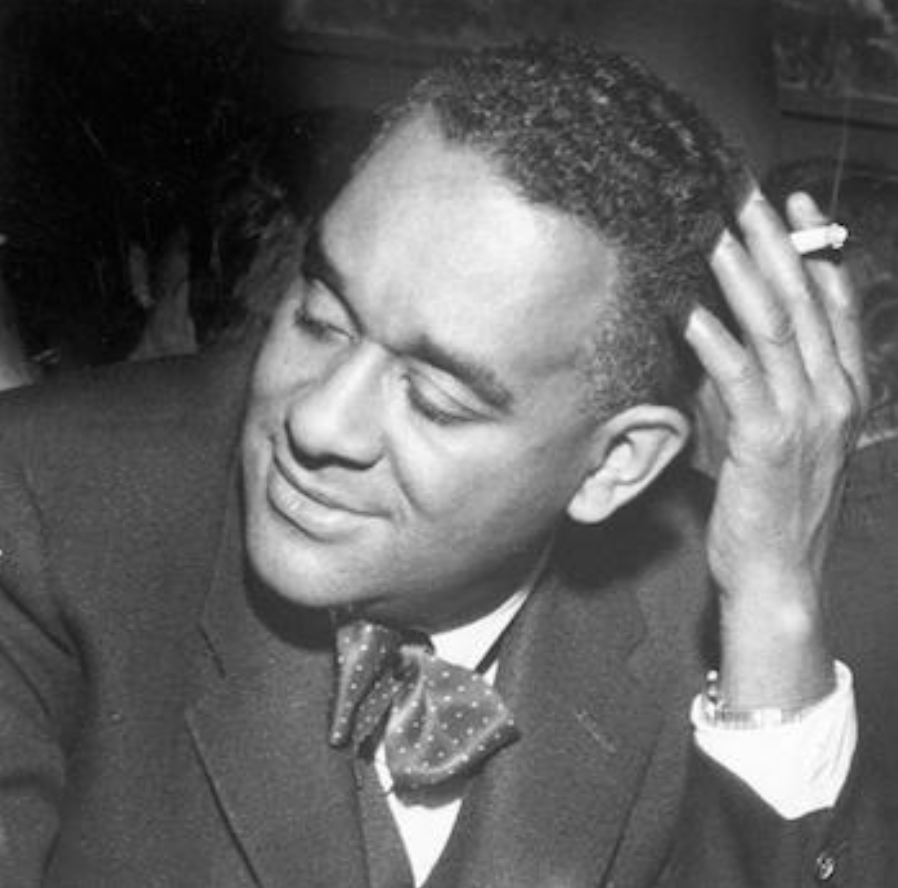
Photo Credit: Unknown
According to the CDC, homicide remains one of the leading causes of death among adolescents in the United States, alongside suicide and unintentional injuries. At the same time, data from the U.S. Department of Health and Human Services show that Black adults are significantly less likely to receive mental health treatment compared to the national average.
That contrast says a lot.
Because it raises a deeper question: how many men are carrying things they were never permitted to put down? How many have learned to survive without ever learning how to rest? That thought stayed with me, and it led me to another question:
What does it mean to feel protected, without having to ask for it?
I saw the importance of that kind of presence again recently.At the Sox game with my dad, it wasn’t even the game that stayed with me the most—it was what happened after. We were walking, and without saying anything, we switched positions on the sidewalk. He moved to the outside. I moved inside. No words. Just instinct, and that moment said everything.
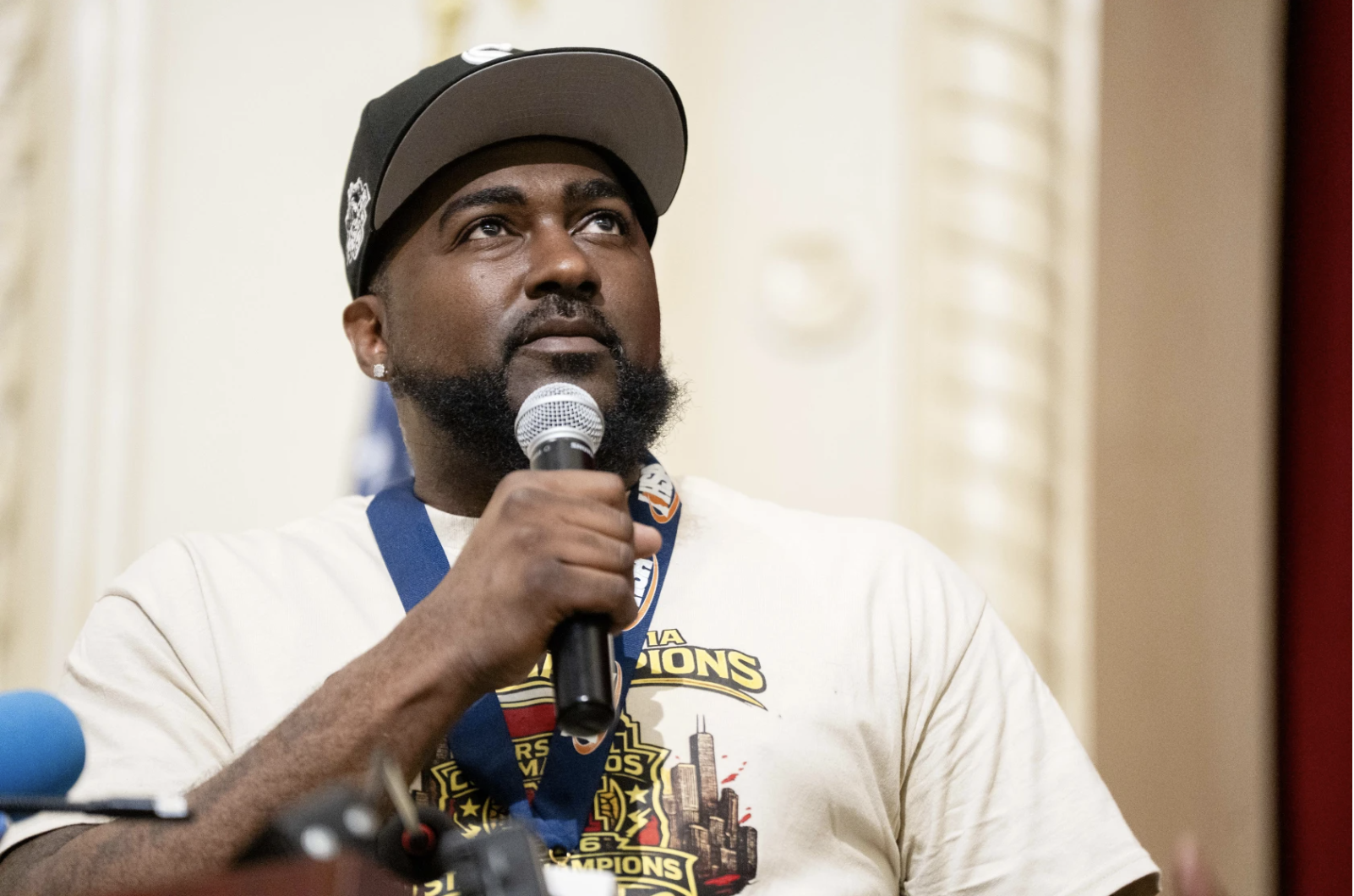
Photo: Pat Nabong Chicago Sun Times
That kind of protection doesn’t need to be announced. It’s understood. I saw that same understanding again at Marshall, watching the boys win state. Shoutout to Coach Darian Lay and that program, because that wasn’t just about basketball. That was discipline, accountability, and structure. In speaking about the win, he emphasized that the moment was bigger than the team itself, noting that the championship was for the West Side of Chicago.
And that stayed with me.
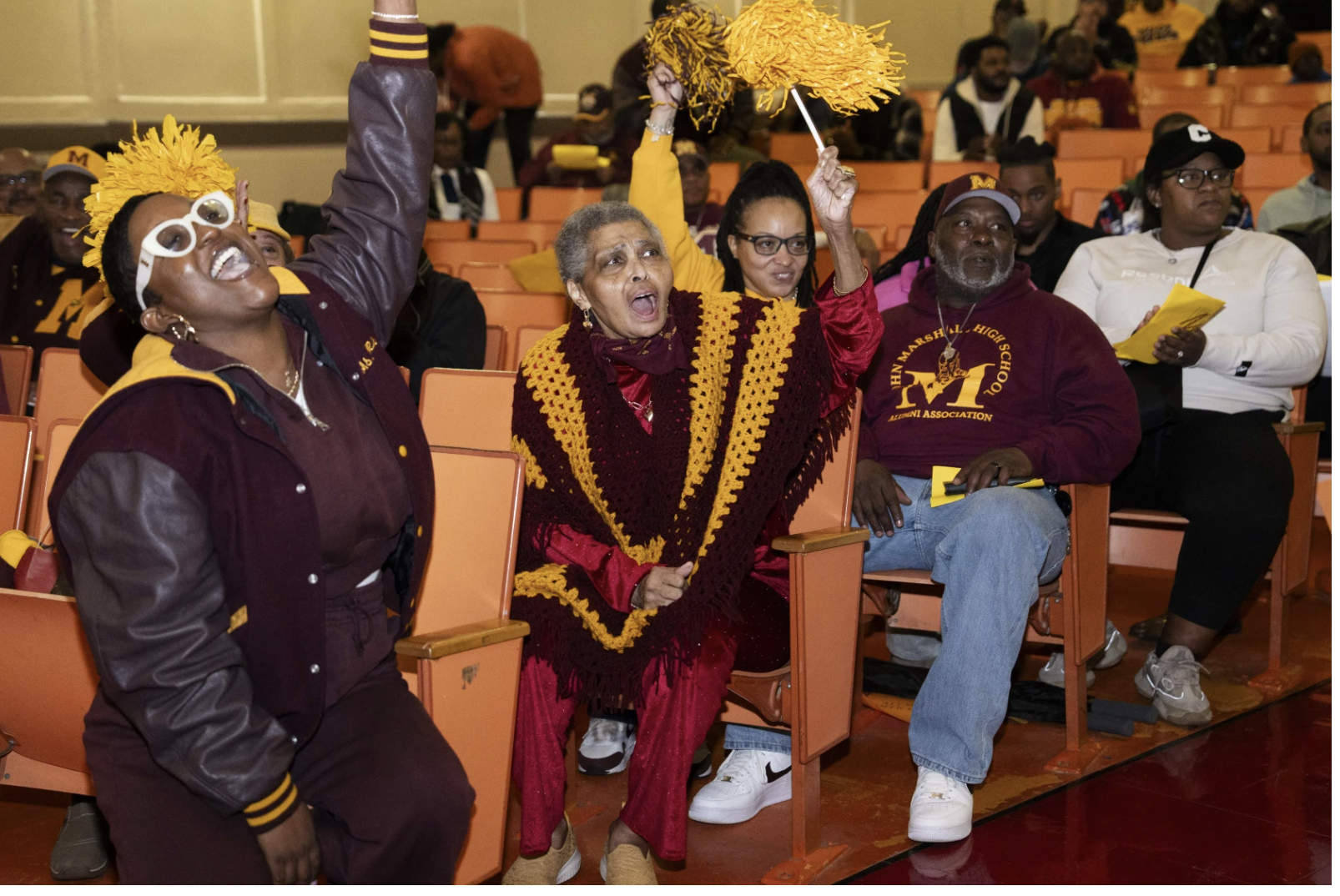
Photo: Pat Nabong The Chicago Sun Times
Because you could feel that this wasn’t just about a title, it was about impact. Those young men were being shaped in real time. And it made me realize something clearly: before titles, before recognition, before visibility, there are men quietly building. Men who are community architects. Protectors of the people. From the youth to the elders. And when you begin to recognize that, you start to see the work differently.
You start to notice the men who are choosing to show up consistently and intentionally, without needing to be seen for it. And that kind of presence deserves acknowledgment, because that’s where the work lives. Organizations like Peace Runners 773, founded by Jackie Hoffman, reflect that commitment. What began in Chicago as a running initiative has grown into a movement centered on health, discipline, and community. Through weekly runs, community engagement, and global outreach, it creates structure in spaces where consistency is often lacking, reinforcing the idea that wellness is not a luxury; it’s a necessity.
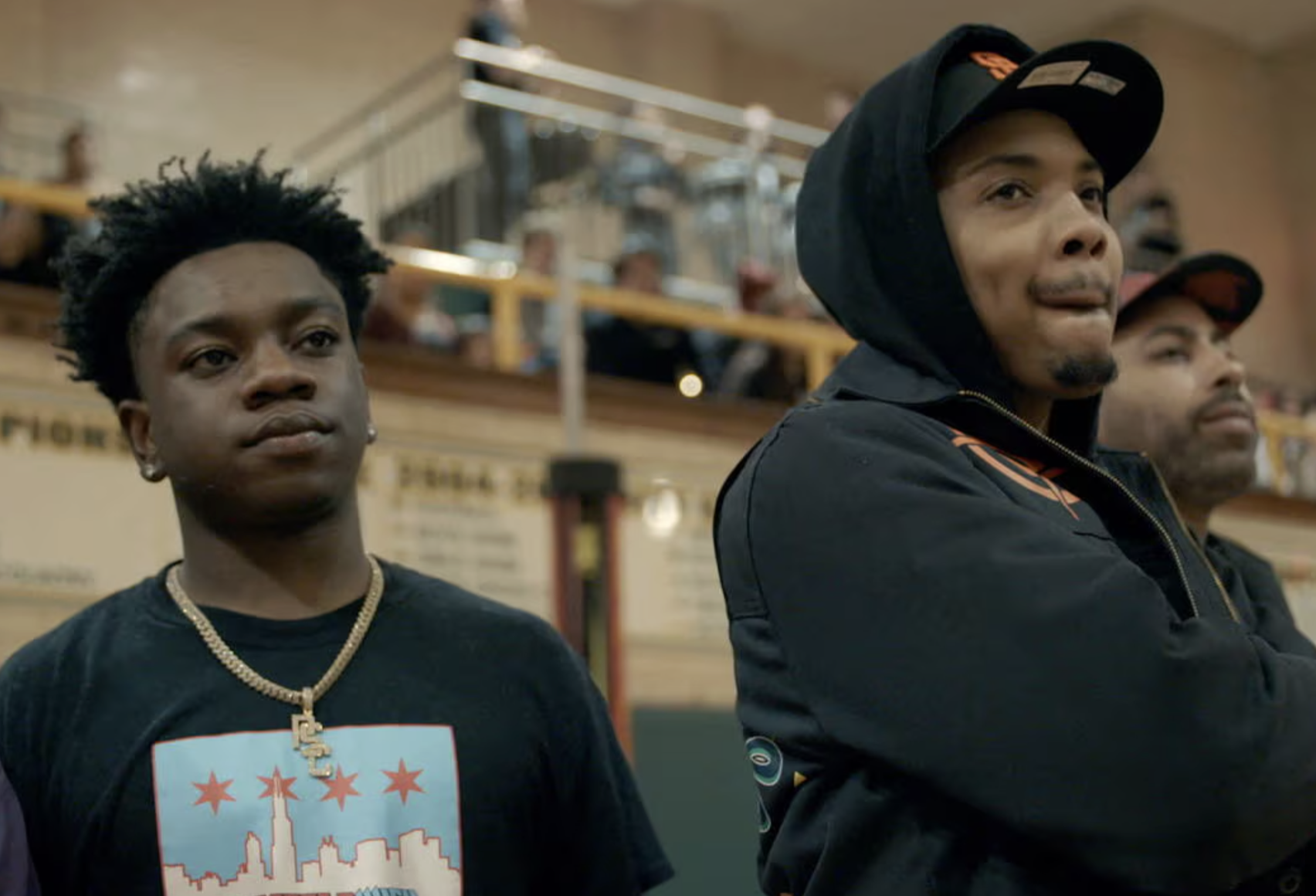
Photo: National Basketball Association
Project SWISH, founded by McKinley Nelson, takes a similar approach through basketball, using the sport as a tool for mentorship, development, and healing. With structured programming and active summer registrations, the organization provides young people with alternatives to violence while helping them build identity and purpose.
The Pressure Foundation, founded by Marshall alum and state champion Ardarius Simmons, brings that impact full circle. Rooted in giving back to the same community that shaped him, the foundation focuses on youth development through sports, creating access, discipline, and opportunity for the next generation. Also, spaces like Coffee, Hip Hop & Mental Health, founded by Christopher Lamarck, provide something equally vital—a place to exist, to express, and to be heard. A space where conversation, creativity, and mental health intersect, reminding people that presence alone can be healing.
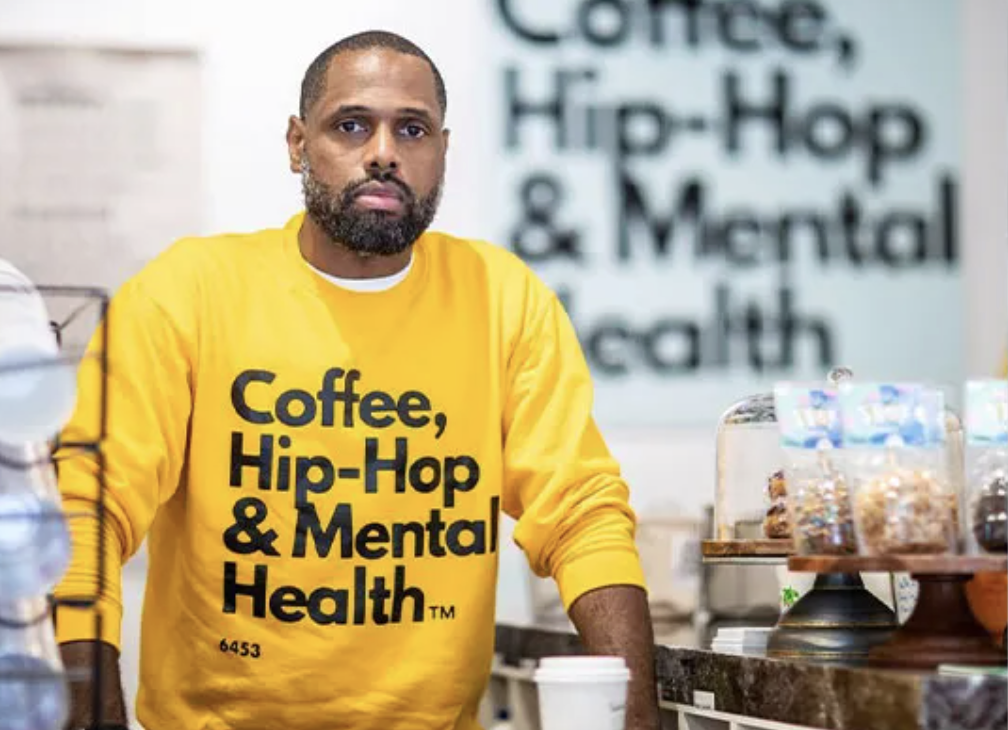
Photo: Heidi Zeiger
When you step back and look at all of this together, you begin to understand something deeper:
Protection doesn’t always look like defense.
Sometimes it looks like guidance, sometimes it looks like consistency, or sometimes it looks like creating spaces where people don’t have to operate in survival mode. That realization followed me into Roux.
Sitting in Hyde Park, I found myself observing families move through the space, watching conversations unfold, watching fathers interact with their children. What stood out wasn’t anything grand. It was the ordinary moments. A father helping his daughter order her meal. A son counting money before walking to the register. Families laughing over dinner. Moments that might seem small at a glance, but they carry something much deeper. Some of the most important forms of protection happen long before a crisis ever arrives. They happen in presence, in consistency, in the everyday moments where confidence, discipline, and identity are quietly being passed from one generation to the next.
Because it’s the small things… that are major, and in that moment, I reflected on my own life—on what I’ve had, what I’ve seen, and what I refuse to take for granted.
So I come back to the question.
Who protects the protector?
And what happens when we create space for them to be supported too?
Because if we get that right, we don’t just change individuals; we change communities.
Get Involved With The Movement:
https://projectswishchicago.com/pay-it-forward
https://www.instagram.com/pressurefoundationchicago/
https://peacerunners773.com/about#/
Photo(s): Unknown, National Basketball Association, Pat Nabong of The Chicago Sun Times, Heidi Zeiger